What makes Manuka honey different
Manuka honey is produced by bees foraging on the flowers of the Manuka tree (Leptospermum scoparium), native to New Zealand and southeastern Australia. It is distinguished from conventional honey by its high methylglyoxal (MGO) content — a compound formed through the natural conversion of dihydroxyacetone found uniquely in Manuka nectar. MGO is the primary compound responsible for Manuka honey’s enhanced biological properties, and its concentration (expressed as MGO rating) is the key quality indicator for therapeutic-grade Manuka honey products.
Standard honey has MGO levels below 10 mg/kg. High-grade Manuka honey has MGO levels of 100-800+ mg/kg. The MGO rating directly correlates with both antibacterial potency and skin-supporting properties, making Manuka a substantively different ingredient from conventional honey in topical applications.
Skin barrier and wound support
Published research on Manuka honey in topical skin applications shows consistent evidence for wound healing support and skin barrier improvement. Clinical studies have demonstrated accelerated healing in partial-thickness wounds, reduced bacterial burden in infected tissue, and improved moisture retention compared to conventional wound treatments. The mechanism involves multiple concurrent actions: MGO-mediated antimicrobial activity, hydrogen peroxide generation from enzyme activity in the honey, physical barrier creation through the honey’s viscosity, and anti-inflammatory effects from flavonoid and phenolic compounds.
For the skin around nails — which is frequently subjected to mechanical trauma, moisture cycling, and potential microbial exposure — Manuka honey’s skin barrier support is directly relevant. Cracked, dry, or irritated skin around toenails is both uncomfortable and a potential entry point for reinfection after nail treatment.
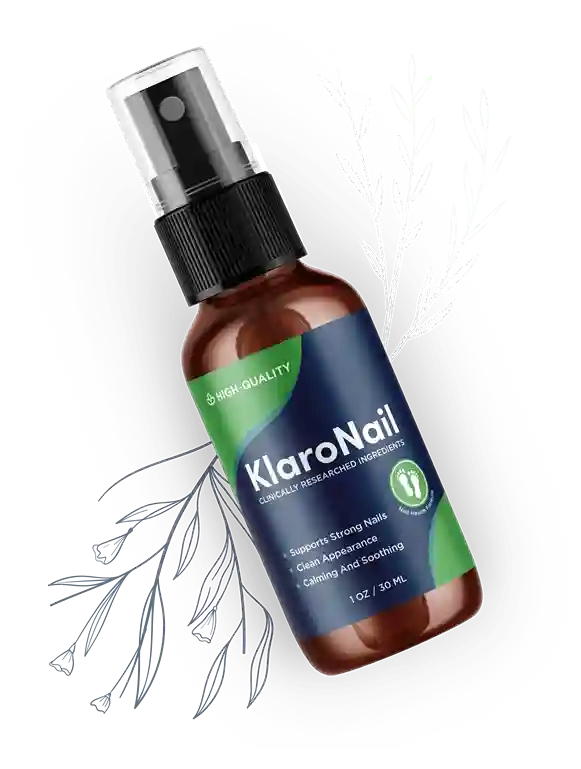
View KlaroNail formula and current pricing on the official site.
✦ View KlaroNailAntimicrobial properties
Manuka honey’s antimicrobial activity against clinically relevant organisms is documented across multiple in vitro studies. Activity against Staphylococcus aureus (including MRSA), Pseudomonas aeruginosa, and Candida albicans has been consistently demonstrated. The antifungal activity of Manuka honey against Candida is particularly relevant in the nail health context, where Candida is a secondary nail pathogen alongside the primary dermatophyte species. The MGO-dependent mechanism is not susceptible to the resistance mechanisms that limit conventional antibiotics, making Manuka honey a stable complementary antimicrobial in topical formulas.
Application in nail care
Manuka honey is increasingly included in premium nail and foot care products for three practical reasons: its skin barrier repair properties help restore the integrity of damaged skin around nails; its antimicrobial activity provides complementary support alongside primary antifungal ingredients; and its humectant properties (attracting moisture from the environment) maintain the skin’s natural hydration level, reducing the dryness and cracking that allows reinfection. In a topical spray formula, Manuka honey is included as a dissolved active in the oil base rather than as a standalone thick honey, making it sprayable while retaining its beneficial compounds in the formulated concentration.
Manuka honey in KlaroNail
KlaroNail includes Manuka honey as one of the soothing and barrier-supporting botanicals in the formula, alongside Aloe Vera, Lavender Oil, Camphor Oil, and Menthol. This positions it as a skin-focused complement to the three primary antifungal actives (Tea Tree, Undecylenic Acid, Clove Bud). The combined effect is a formula that addresses both the nail-specific concern (antifungal actives) and the skin-surrounding concern (soothing barrier repair) simultaneously — something that single-active nail treatments typically do not achieve.
More articles
More on the KlaroNail blog. Official site for pricing.